Brick vs. Stone Tuckpointing: Key Differences for Commercial Projects
People searching for brick vs. stone tuckpointing: key differences for commercial projects are often looking to improve or restore masonry, and local contractors can help determine the best approach for their specific needs.
Understanding the differences between brick and stone tuckpointing is essential for property owners involved in commercial projects. Whether maintaining historic facades or upgrading building exteriors, knowing how each material responds to wear and weather can influence long-term durability and aesthetic appeal. Property owners in the area may explore this topic to make informed decisions about restoration, preservation, or new construction, ensuring their investments stand the test of time. Local contractors specializing in tuckpointing services can provide valuable insights tailored to the specific needs of brick and stone structures, helping property owners choose the right approach for their projects.
As commercial buildings often feature a combination of materials, recognizing the key distinctions between brick and stone tuckpointing can lead to more effective repairs and enhancements. Different techniques and materials are suited for each, impacting both the appearance and structural integrity of a building. Property owners interested in preserving the character of their properties or improving their exterior durability can benefit from consulting experienced service providers who understand the nuances of working with these materials. Keep reading to learn more about how these differences influence tuckpointing choices and how local professionals can support successful project outcomes.
- Commercial brick structures - when restoring or maintaining brick facades, local contractors assess the specific needs of brick tuckpointing to ensure durability and aesthetic appeal.
- Stone commercial buildings - for projects involving stone exteriors, local service providers tailor tuckpointing techniques to preserve the natural appearance and structural integrity of the stonework.
- Historic preservation projects - when working on historic brick or stone buildings, local pros use specialized methods to match original mortar and maintain historical accuracy.
- New construction with brick or stone facades - for new commercial developments, local contractors apply tuckpointing practices suited to the material to ensure long-lasting results.
- Repair of damaged or deteriorating exteriors - when addressing cracks or deterioration, local pros evaluate whether brick or stone tuckpointing is appropriate based on the material and project needs.
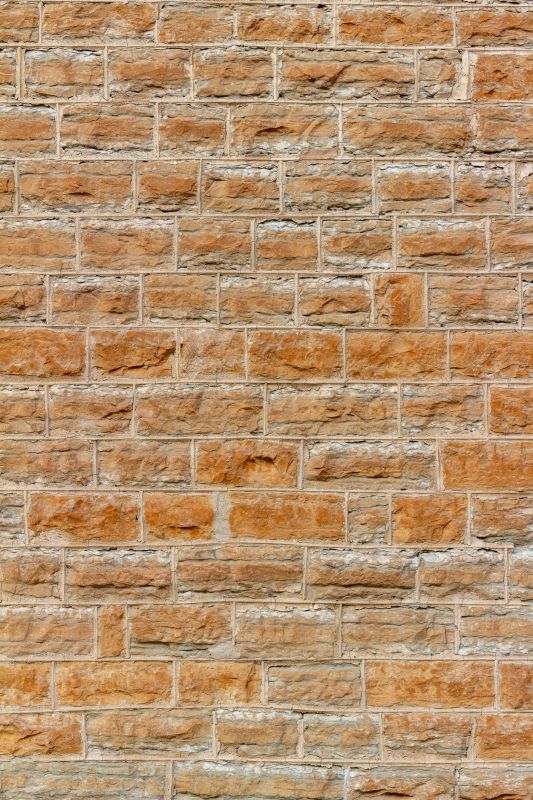
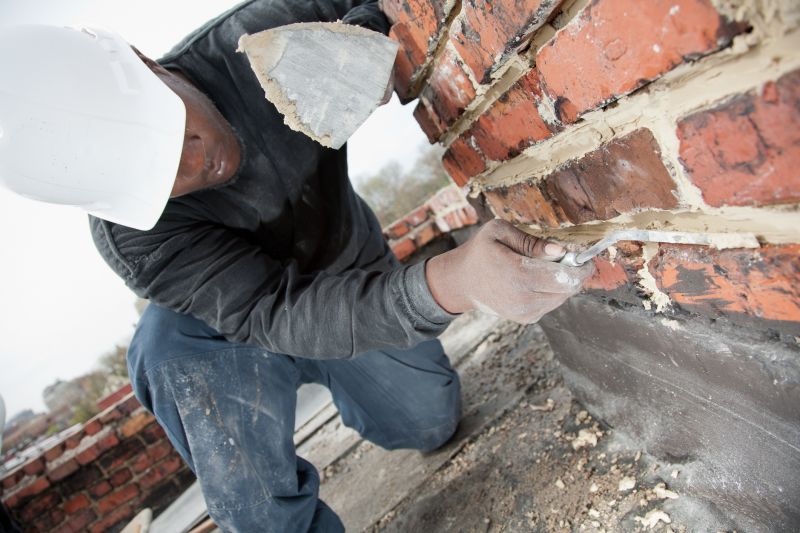
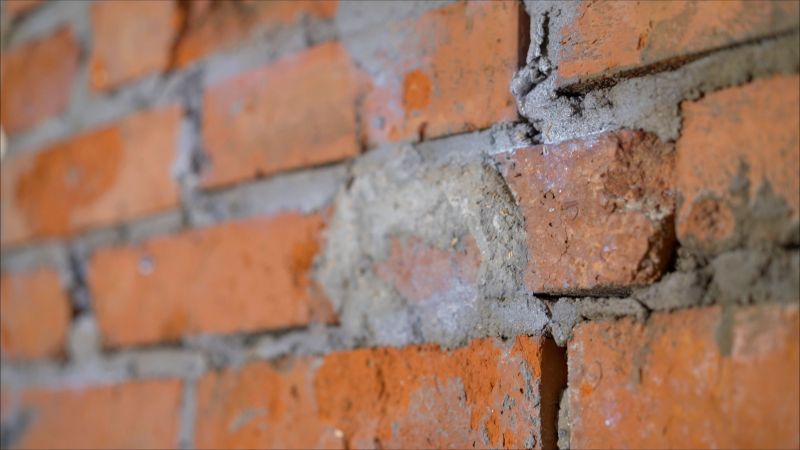
When searching for information on brick vs. stone tuckpointing for commercial projects, most people are trying to understand the fundamental differences between these two masonry repair techniques and how they impact large-scale properties. This topic often comes up when property owners or managers notice deterioration, cracks, or mortar deterioration in their building facades and want to know which method is best suited for their specific needs. The focus is usually on restoring or maintaining the structural integrity and aesthetic appeal of commercial buildings, such as office complexes, retail centers, or industrial facilities. Understanding these differences helps property owners make informed decisions about hiring the right local contractors to perform tuckpointing work that aligns with their property type and project goals.
Problems related to brick vs. stone tuckpointing often involve mortar deterioration, water infiltration, or aesthetic concerns that compromise the building’s stability and appearance. For commercial properties, these issues can lead to increased maintenance costs or even safety hazards if not addressed properly. Many plans involve restoring or replacing mortar joints to prevent further damage, improve insulation, or preserve the historical or architectural character of the building. Recognizing whether brick or stone tuckpointing is appropriate depends on the material of the existing masonry and the specific conditions of the property. Local service providers experienced in both techniques can assess these issues and recommend solutions that best protect and enhance the structure.
The types of properties that typically come up in discussions about brick vs. stone tuckpointing include a range of commercial structures with masonry exteriors. Brick buildings are common in retail storefronts, warehouses, and older office buildings, often requiring tuckpointing to address cracked or crumbling mortar joints. Stone structures, such as historic buildings, civic centers, or high-end retail spaces, may need specialized tuckpointing techniques to match the original stonework or restore its integrity. These properties usually have visible mortar joints that show signs of wear over time, prompting property owners to seek local contractors with expertise in both brick and stone masonry repairs. Properly matching the materials and techniques during tuckpointing ensures the longevity and visual consistency of the building.
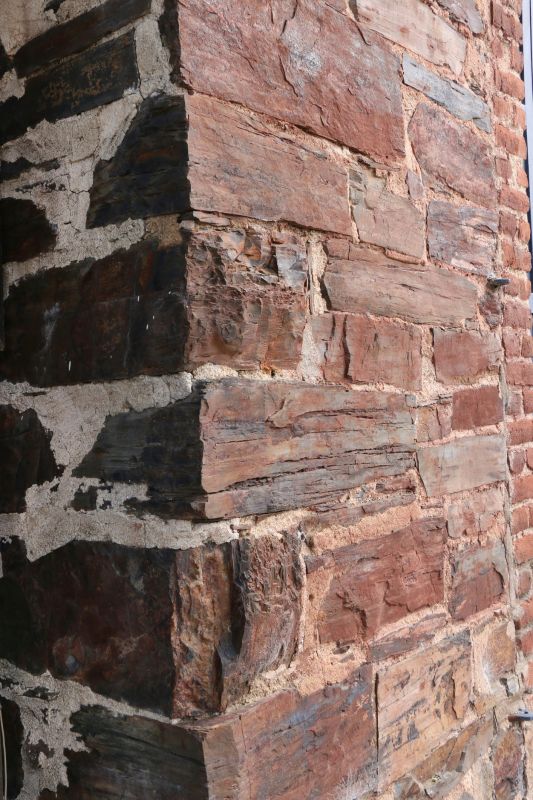
Understanding the key differences between brick and stone tuckpointing helps property owners and managers select the right approach for their commercial projects. Brick tuckpointing typically involves replacing or repairing mortar joints in brick walls, which are often more uniform and easier to work with. Stone tuckpointing, on the other hand, may require more specialized skills to handle irregular shapes and textures, often involving matching the original stonework for a seamless repair. Local contractors skilled in both techniques can evaluate the specific needs of a property and recommend the most appropriate method to ensure durability and aesthetic harmony. Whether restoring a historic facade or maintaining a modern brick structure, choosing the right tuckpointing approach is essential for preserving the value and integrity of commercial properties.
Masonry Restoration Projects - These projects often require expertise in matching materials and techniques, similar to brick vs. stone tuckpointing for commercial buildings, and can be handled by service providers experienced in historic masonry repair.
Facade Repair and Repointing - Repointing brick and stone facades involves skills in joint restoration and material selection, making it comparable to tuckpointing services for different masonry types offered by local contractors.
Brick and Stone Wall Construction - Building or restoring walls with brick or stone involves planning, material handling, and precise craftsmanship, which are essential skills also used in tuckpointing projects for commercial properties.
Masonry Surface Cleaning - Surface cleaning to remove dirt, efflorescence, or stains requires specialized tools and techniques similar to those used in tuckpointing, ensuring proper preparation for repair work.
Chimney and Fireplace Restoration - Restoring chimneys and fireplaces involves masonry repair skills applicable to tuckpointing, especially when working with brick or stone structures in commercial settings.
Structural Masonry Reinforcement - Reinforcing or stabilizing masonry structures demands planning and skill in working with different materials, aligning with the expertise needed for brick vs. stone tuckpointing in commercial projects.
When evaluating contractors for brick vs. stone tuckpointing, it’s important to consider their experience with similar projects, especially in commercial settings. A service provider with a history of handling both brick and stone tuckpointing can demonstrate familiarity with the unique challenges and techniques required for each material. Homeowners should inquire about the types of projects the contractor has completed, paying attention to the scale and complexity of past work to ensure they have relevant expertise. This helps ensure the chosen local contractor understands the specific demands of commercial tuckpointing, which often involves larger structures and different aesthetic considerations compared to residential projects.
Clear, written expectations are vital when comparing local contractors for brick vs. stone tuckpointing services. A detailed scope of work that outlines the materials, techniques, and finishes can help prevent misunderstandings and ensure all parties are aligned on project goals. Homeowners should seek out providers who can articulate their approach in straightforward terms and provide a comprehensive plan or proposal. This transparency not only clarifies what will be done but also establishes a basis for evaluating the quality and scope of each contractor’s services, making it easier to compare options objectively.
Reputable references and effective communication are essential factors in choosing the right local pros for tuckpointing work. Contractors who can provide references from previous clients, especially those with similar commercial projects, offer insight into their reliability and craftsmanship. Good communication throughout the process-prompt responses to questions, clear updates, and openness to discussing project details-can significantly impact overall satisfaction. Homeowners should prioritize service providers who demonstrate professionalism and transparency, as these qualities often reflect a commitment to quality work and positive project outcomes in brick vs. stone tuckpointing for commercial applications.
Property owners often search for brick vs. stone tuckpointing: key differences for commercial projects when they are planning practical projects around their homes and businesses. Local pros provide Brick vs. Stone Tuckpointing services for everyday jobs and straightforward project options.
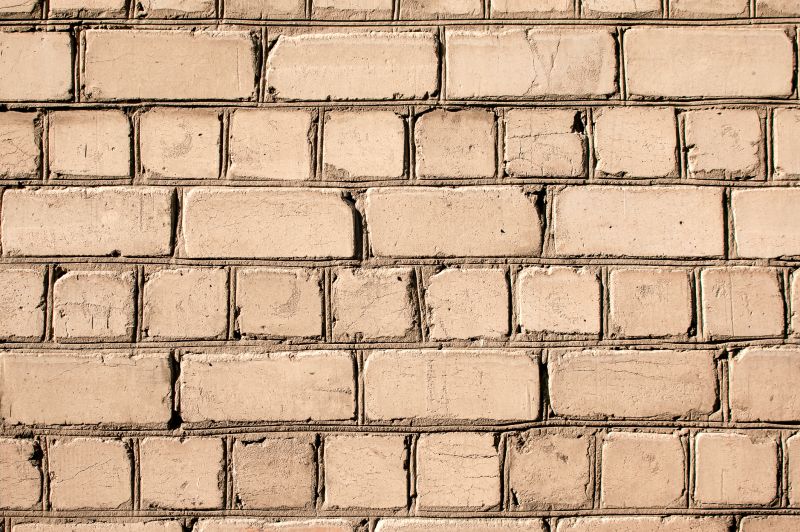
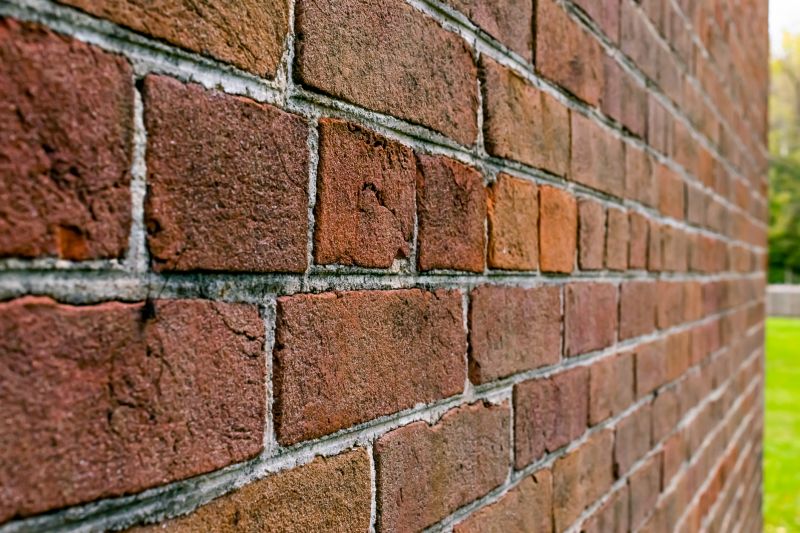
Understanding the differences between brick and stone tuckpointing is a common concern for property owners managing commercial buildings. Many are interested in how each material responds to weather, aging, and structural shifts, which can influence decisions about repair or restoration. For those exploring options, local contractors offer expertise in evaluating the condition of existing masonry and recommending the most suitable approach. Whether the goal is to preserve the historic look of brick or to enhance the durability of stone facades, knowing the key distinctions helps property owners make informed choices about tuckpointing services.
Property owners often look into brick vs. stone tuckpointing because they want to ensure their building’s exterior remains strong and visually appealing. Local service providers can assess the specific needs of a project, considering factors like material type, mortar compatibility, and the desired aesthetic. By understanding the unique characteristics of brick and stone, these contractors can provide tailored solutions that extend the lifespan of the masonry and maintain the building’s value. This knowledge is especially useful for commercial projects where appearance and structural integrity are both important.
What are the main differences between brick and stone tuckpointing for commercial projects? Brick tuckpointing typically involves repairing or restoring mortar joints in brick masonry, while stone tuckpointing focuses on maintaining the mortar between stone units. The materials and techniques vary based on the type of masonry, affecting the appearance and durability of the finished work. Local contractors can assess the specific needs of each project to recommend the appropriate approach.
How does the choice between brick and stone tuckpointing impact the durability of a commercial building? Brick and stone have different structural properties; brick tends to be more uniform and easier to repair, whereas stone can offer greater strength and resistance to weathering. Local service providers can evaluate the existing masonry to determine which material offers better long-term performance for the project’s conditions.
Are there aesthetic differences to consider when choosing between brick and stone tuckpointing? Yes, brick provides a classic, uniform look with a wide range of colors and patterns, while stone offers a more natural, textured appearance. Local pros can help match the repair work to the original style or desired architectural look of the building.
Can brick and stone tuckpointing be combined in a single commercial project? Yes, some projects incorporate both materials to achieve a specific architectural style or to address different structural needs. Local contractors experienced in both can coordinate the work to ensure a cohesive and structurally sound result.
What should be considered when choosing a service provider for brick vs. stone tuckpointing? It's important to select local pros with experience in the specific material involved, as techniques and expertise differ. They can evaluate the existing masonry, recommend suitable repair methods, and ensure the work preserves or enhances the building’s integrity and appearance.
Understanding material differences - Property owners can explore how brick and stone materials vary in durability and appearance to choose the best option for their commercial projects with help from local contractors.
Matching repair techniques - Knowing the specific tuckpointing methods suited for brick versus stone can guide property owners in selecting the right services for restoring their building’s facade.
Considering aesthetic goals - Business owners aiming to enhance curb appeal can consult local pros about how brick and stone tuckpointing can achieve different visual effects for their commercial properties.
Assessing long-term maintenance - Property managers can discuss with local contractors how each material type influences ongoing upkeep and repair needs over time.
If you are thinking about brick vs. stone tuckpointing: key differences for commercial projects for a property, this guide is meant to help you understand this topic, the typical project types, and how different options might fit your plans.
When you are ready, you can use the quote form on this page to share a few details about your project. From there, local pros can review the basics and follow up with options that match what you have in mind.