How Tuckpointing Helps Prevent Structural Damage in Commercial Properties
Commercial tuckpointing helps prevent structural damage in commercial properties by repairing mortar joints, and local contractors can provide expert services to protect your building’s integrity.
If you own or manage a commercial property, understanding how tuckpointing helps prevent structural damage is essential for maintaining its integrity and value. Over time, weather exposure and general wear can cause mortar joints to deteriorate, creating vulnerabilities that may lead to costly repairs or safety concerns. Property owners in the area often explore this topic to learn practical ways to protect their investments and ensure their buildings remain safe and structurally sound. Local contractors specializing in commercial tuckpointing offer the expertise needed to address these issues effectively, helping to reinforce the building’s masonry and prevent future damage.
Continuing to read can reveal how proper tuckpointing techniques not only improve the appearance of a property but also serve as a crucial defense against structural problems. When mortar joints weaken, moisture can seep into walls, accelerating deterioration and risking more serious damage over time. By connecting with experienced service providers in the area, property owners can access the solutions necessary to keep their commercial properties in top condition. Exploring this topic provides valuable insights into how regular maintenance and professional tuckpointing contribute to long-term stability and protection for commercial buildings.
- Commercial building facades - when signs of mortar deterioration appear, local contractors can perform tuckpointing to reinforce the brickwork and prevent water intrusion.
- Warehouse exteriors - in cases of cracked or eroded mortar joints, service providers can restore structural integrity through precise tuckpointing techniques.
- Retail storefronts - if mortar joints are compromised, local pros can implement tuckpointing to help maintain the building’s stability and prevent further damage.
- Office building facades - when mortar damage risks allowing moisture penetration, experienced contractors can apply tuckpointing to protect the structure’s foundation.
- Industrial facility walls - in situations of mortar deterioration, local service providers can use tuckpointing to help prevent structural issues caused by water and weather exposure.
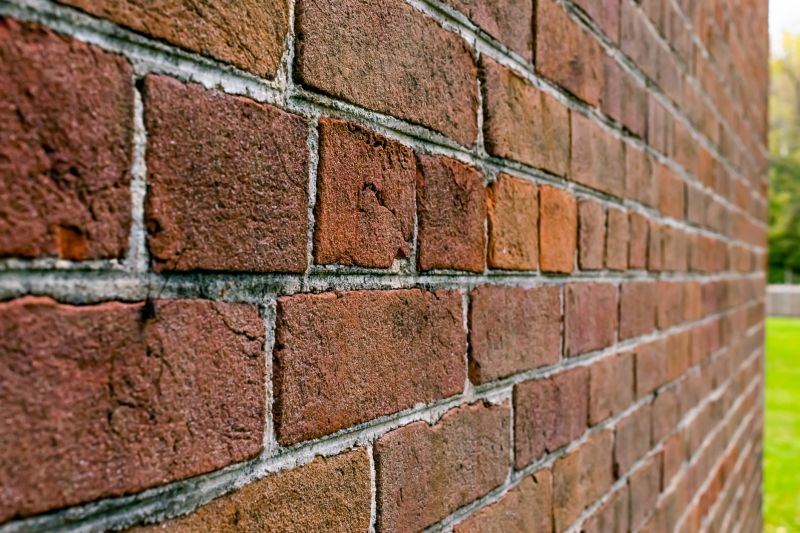
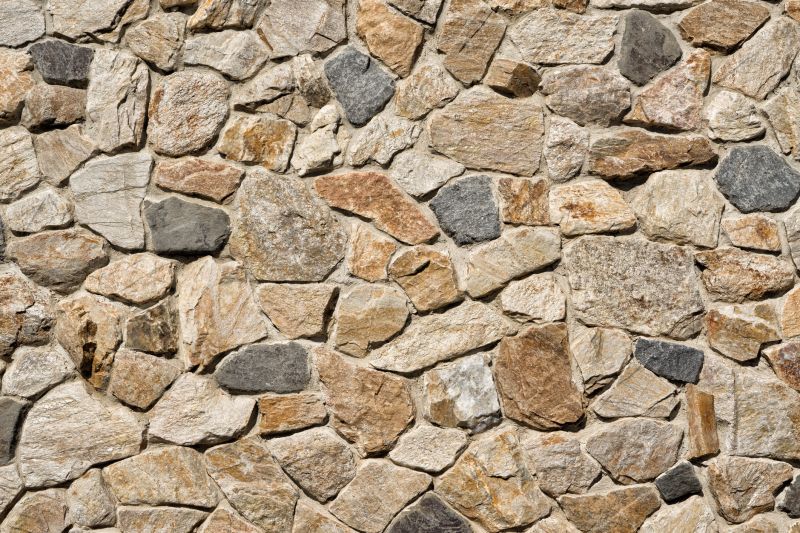
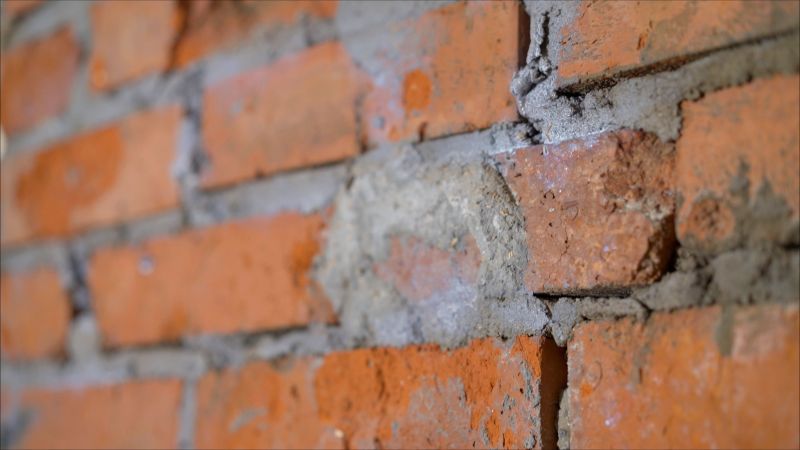
When people search for how tuckpointing helps prevent structural damage in commercial properties, they are often looking to understand how this specific masonry repair technique can protect their buildings from long-term issues. Typically, the focus is on maintaining the integrity of brick and stone exteriors, which are common features in many commercial structures. The concern is usually about preventing deterioration caused by weather, moisture infiltration, or general wear and tear that can weaken the masonry over time. This search often relates to property owners or managers wanting to preserve the value and safety of their buildings by addressing potential problems before they develop into costly repairs.
Tuckpointing is directly connected to addressing common problems such as cracked or crumbling mortar joints, which can compromise the stability of a building’s exterior walls. When mortar deteriorates, it creates openings that allow water to seep into the structure, leading to internal damage, mold growth, or even foundational issues. Many property plans involve regular inspections and maintenance to prevent these issues from escalating. Commercial tuckpointing services are often called upon to restore mortar joints, seal gaps, and reinforce the integrity of the masonry, ensuring that the building remains structurally sound and resistant to environmental stressors.
The types of properties that typically come up in discussions about tuckpointing include retail centers, office buildings, warehouses, industrial facilities, and multi-unit apartment complexes. These structures often feature extensive brick or stone facades that are exposed to the elements year-round. Because of their size and exposure, they are particularly vulnerable to mortar deterioration, making tuckpointing an essential part of ongoing maintenance. Property owners of these buildings recognize that a well-maintained exterior not only preserves the building’s appearance but also plays a critical role in preventing structural damage caused by moisture intrusion or mortar failure.
Local contractors specializing in commercial tuckpointing are experienced in handling these kinds of projects. They work closely with property owners and managers to assess the condition of the masonry, recommend appropriate repairs, and execute the necessary tuckpointing work efficiently. These service providers understand the importance of restoring mortar joints correctly to prevent future damage and extend the lifespan of the building’s exterior. Connecting with local pros ensures that commercial properties receive the specialized attention needed to address specific structural vulnerabilities, helping to safeguard the property’s integrity for years to come.
Masonry Restoration Projects - These projects involve repairing and restoring brick and stone structures, requiring similar skills and tools used in tuckpointing to maintain structural integrity.
Brick Repair and Replacement - Replacing damaged or deteriorated bricks aligns with tuckpointing techniques to prevent water intrusion and structural weakening in commercial buildings.
Facade Renovation Services - Enhancing the exterior appearance of commercial properties often involves tuckpointing work to improve durability and prevent damage caused by weather exposure.
Stonework Repair Projects - Restoring and maintaining stone facades involves planning and skill sets comparable to tuckpointing, helping to prevent structural issues over time.
Mortar Joint Repointing - This process directly relates to tuckpointing, focusing on renewing mortar joints to protect against water infiltration and structural deterioration.
Structural Crack Repair - Addressing cracks in masonry or concrete structures requires expertise similar to tuckpointing, helping to prevent further damage and maintain stability.
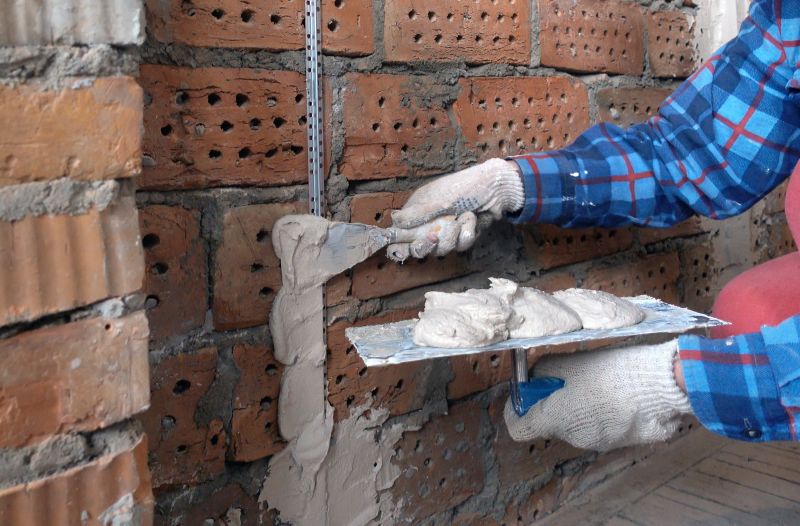
When comparing commercial tuckpointing services, it is important to consider the experience of local contractors with similar projects. An experienced service provider will have a history of working on properties comparable in size, design, and age, which can provide insight into their familiarity with the specific challenges that may arise. Contractors with a track record of successful tuckpointing work are more likely to understand the nuances of the process and deliver results that effectively help prevent structural damage. Gathering information about their past projects can help determine if they have the practical knowledge needed to address the unique needs of commercial properties.
Clear and detailed written expectations are essential when evaluating potential service providers. A reputable contractor should be able to outline the scope of work, materials to be used, and the steps involved in the tuckpointing process. This transparency helps ensure that both parties are aligned on the project’s objectives and can prevent misunderstandings later on. Clear expectations also serve as a foundation for assessing the quality of service, making it easier to identify professionals who prioritize thorough communication and professionalism throughout the project.
Reputable references and effective communication are key indicators of a reliable commercial tuckpointing provider. Service providers who can provide references from previous clients demonstrate their ability to deliver satisfactory results. Additionally, good communication-whether through prompt responses, thorough explanations, or ongoing updates-helps build trust and ensures that concerns are addressed promptly. When comparing local contractors, prioritizing those with positive references and a reputation for clear, consistent communication can contribute to a smoother process and a more successful outcome for protecting the structural integrity of a commercial property.
Property owners often search for how tuckpointing helps prevent structural damage in commercial properties when they are planning practical projects around their homes and businesses. Local pros provide Commercial Tuckpointing services for everyday jobs and straightforward project options.
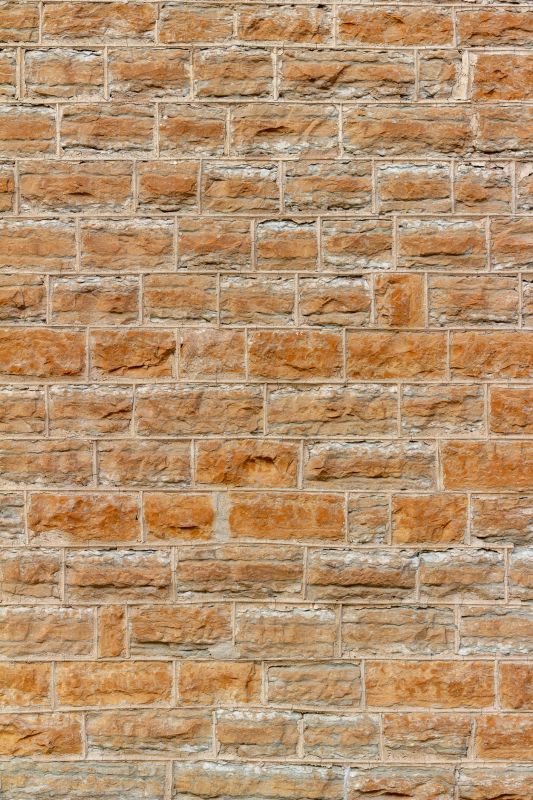
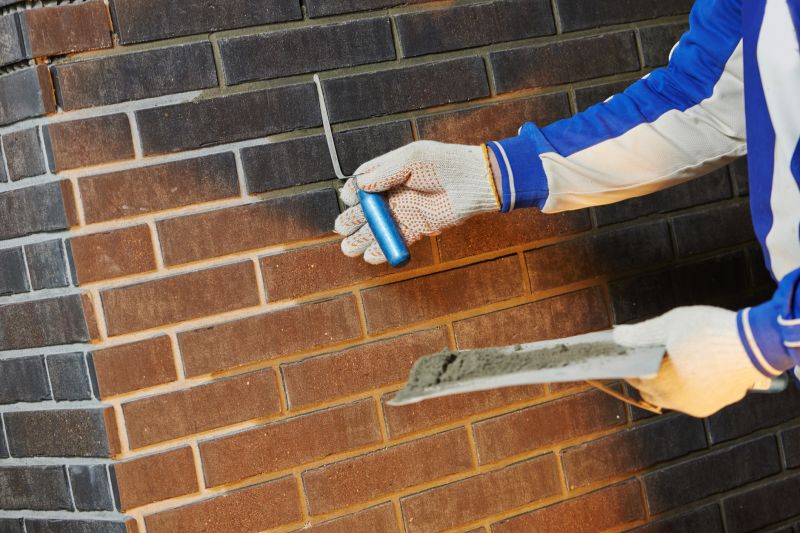
In many commercial properties, the appearance and integrity of brickwork are vital to maintaining a professional image and ensuring long-term durability. Over time, mortar joints can deteriorate due to weather exposure, leading to cracks and gaps that allow moisture to penetrate the structure. Property owners searching for ways to protect their investments often look into how tuckpointing helps prevent structural damage in commercial properties, as it involves carefully renewing and sealing these joints to keep water out and prevent further deterioration.
Professional tuckpointing services offered by local contractors provide an effective solution to address these common issues. By restoring the mortar and ensuring it is properly sealed, these experts help maintain the stability of the building’s walls and prevent costly repairs down the line. Property owners who want to preserve their building’s strength and appearance may consider connecting with experienced service providers to explore how tuckpointing can serve as a proactive measure against potential structural damage.
How does tuckpointing help prevent water damage in commercial properties? Tuckpointing seals cracks and gaps in mortar joints, preventing water infiltration that can weaken the structure and lead to costly damage. Local contractors can effectively restore mortar to keep moisture out and protect the building’s integrity.
In what ways does tuckpointing contribute to maintaining structural stability? By repairing deteriorated mortar, tuckpointing reinforces the walls, reducing the risk of cracks and shifting that could compromise the building’s stability. Skilled service providers ensure the mortar remains durable over time.
Can tuckpointing help prevent issues caused by freeze-thaw cycles? Yes, tuckpointing fills in cracks and gaps that allow moisture to enter, which can expand during freeze-thaw cycles and cause further damage. Local contractors can properly restore mortar to withstand these conditions.
Why is timely tuckpointing important for preventing long-term structural problems? Addressing mortar deterioration early prevents small cracks from developing into larger structural issues, saving on extensive repairs later. Experienced service providers can identify and repair vulnerabilities effectively.
How does tuckpointing improve the overall safety of a commercial property? Proper tuckpointing maintains the integrity of load-bearing walls and prevents falling debris or wall collapse, contributing to a safer environment. Local contractors help ensure the building remains structurally sound.
Identify and repair damaged mortar joints - addressing cracked or deteriorated mortar can prevent water infiltration and structural weakening, which local contractors can handle during routine tuckpointing projects.
Schedule regular inspections for brickwork integrity - proactive assessments help spot early signs of wear that local service providers can address through tuckpointing before more serious issues develop.
Use high-quality mortar during tuckpointing - selecting the right mortar mix improves durability and resistance to weather, with local pros ensuring proper application for long-lasting protection.
Address water drainage issues around the property - proper grading and sealing prevent water from pooling near the foundation, reducing the risk of damage that local contractors can mitigate through tuckpointing and related repairs.
If you are thinking about how tuckpointing helps prevent structural damage in commercial properties for a property, this guide is meant to help you understand this topic, the typical project types, and how different options might fit your plans.
When you are ready, you can use the quote form on this page to share a few details about your project. From there, local pros can review the basics and follow up with options that match what you have in mind.